Highlights
- GLP-1 is a natural hormone released after eating that helps coordinate fullness, digestion, and the body's response to rising blood sugar.
- GLP-1 medicines build on this familiar biology to provide longer-lasting support for appetite and food-intake signals.
- Many people value how this support can make satisfying portions and consistent healthy choices feel more manageable.
- Personalized clinical care connects the science with a routine designed around your health, goals, and everyday life.
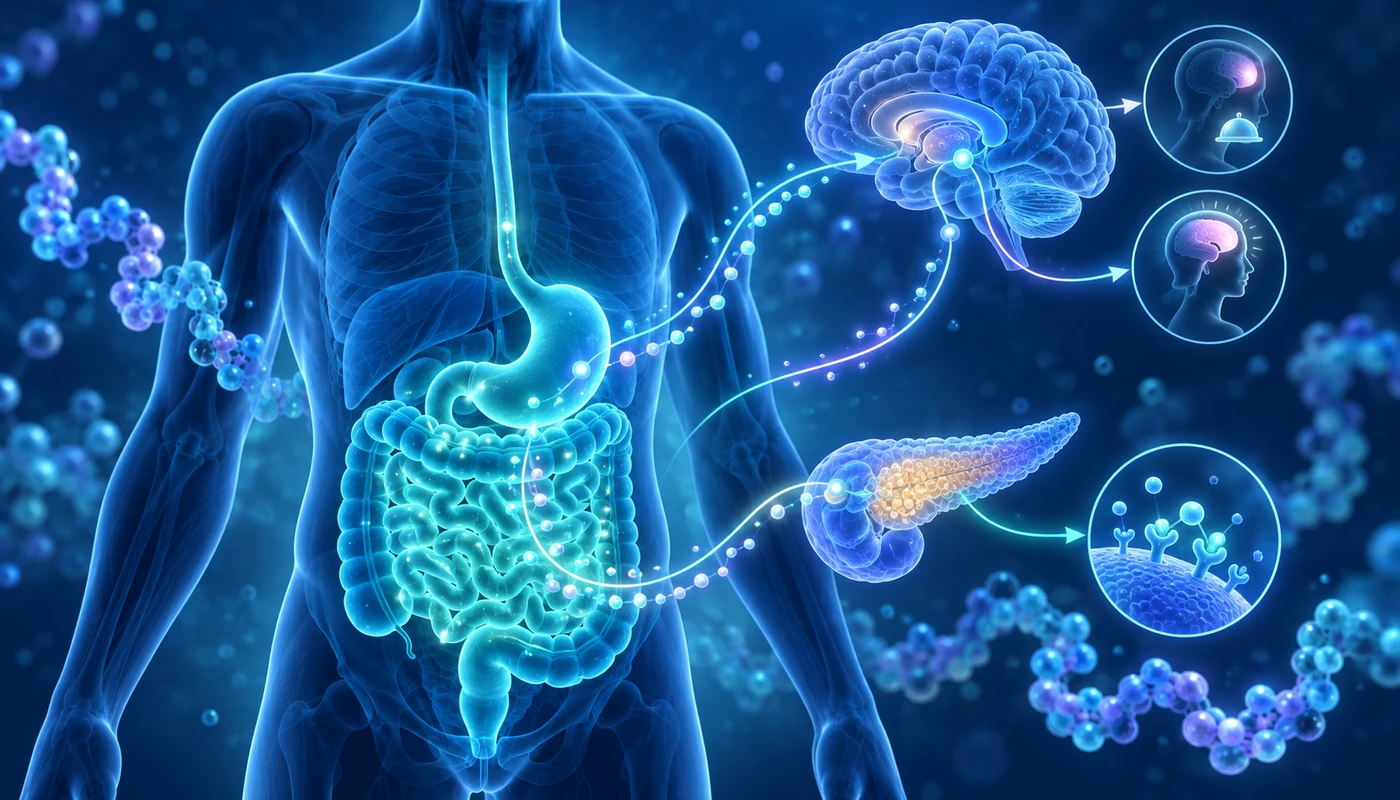
GLP-1 has become one of the biggest stories in modern wellness, yet the idea behind it begins with something your body already knows how to do. GLP-1 is a natural hormone involved in the conversation between your digestive system, brain, and pancreas after you eat.
Modern GLP-1 medicines build on that familiar biology. They activate the same receptor pathway for longer, creating steady support for appetite regulation, satisfying portions, and healthy progress. Understanding this simple foundation can make the entire category feel clearer and your provider conversation more productive.
GLP-1 Is One of Your Body's Natural Messengers
GLP-1 stands for glucagon-like peptide-1. Specialized cells in the intestine release it in response to food, allowing different parts of the body to coordinate what happens next. Scientists call GLP-1 an incretin hormone because it helps the pancreas respond when blood glucose rises after a meal.
This natural message also reaches areas involved in appetite and helps food move through the stomach at a measured pace. Together, these actions contribute to the comfortable feeling that a meal has been satisfying and give the body time to manage incoming energy.
How GLP-1 Medicines Extend That Helpful Signal
The GLP-1 made by the body has a short working life. Prescription GLP-1 receptor agonists are designed to activate the same receptor in a longer-lasting way. Depending on the medicine, that support may be provided through a daily or weekly routine.
Semaglutide, the active ingredient in Wegovy, and liraglutide, the active ingredient in Saxenda, are examples of medicines that activate the GLP-1 receptor. Tirzepatide, the active ingredient in Zepbound, activates both GLP-1 and GIP receptors, bringing two complementary hormone pathways into one weekly treatment.
Think of GLP-1 as a natural after-meal message. GLP-1 medicines help that useful message remain active longer, giving appetite and fullness signals more consistent support.
What Happens Along the GLP-1 Pathway
Several coordinated actions help explain why this class has transformed prescription weight management:
- The brain receives stronger fullness cues, supporting awareness that a meal has provided enough.
- Appetite and food-intake signals become easier to work with, helping nutritious portions feel more satisfying.
- Digestion follows a more gradual rhythm, which can extend the sense of fullness after eating.
- The pancreas receives meal-related guidance, supporting an appropriate insulin response when blood glucose rises.
These effects work as a connected system. Their appeal comes from supporting familiar biological signals, creating favorable conditions for a clinician-guided plan and healthy habits to work together over time.
Why the Experience Can Feel So Meaningful
Weight management often asks for many healthy choices to work together. When appetite feels more manageable and satisfying portions feel more natural, people may find more room to focus on food quality, protein, hydration, movement, sleep, and the routines that help progress last.
That is why people often describe GLP-1 care as more than a medication schedule. It can become a helpful foundation for building confidence around meals, noticing fullness, enjoying intentional choices, and seeing consistent efforts add up.
GLP-1 care works with a pathway your body already uses, helping modern medicine and everyday healthy habits move in the same direction.
Science designed around familiar biology
The Medicine and Healthy Habits Work as a Team
FDA-approved weight-management medicines are intended to complement a nutritious eating pattern and physical activity. The medicine supports the appetite pathway, while your daily choices help nourish your body, preserve strength, increase energy, and create habits you can carry forward.
A licensed clinician adds the personal layer. They can review your goals and health history, explain which option may fit, recommend a dosing routine, and provide ongoing guidance as your experience develops. This partnership turns fascinating hormone science into a practical plan built for a real person.
A Clearer Beginning to Your GLP-1 Journey
GLP-1 is both a natural hormone and the inspiration for a powerful category of prescription medicines. By supporting fullness, appetite regulation, digestion, and meal-related glucose response, these treatments can help healthy choices feel more achievable and progress feel more sustainable.
If you are curious about whether GLP-1 care could fit your goals, a qualified provider can help you explore the possibilities with personalized guidance. Join our free email list below for positive GLP-1 education, provider insights, and practical ideas that make every next step easier to understand.
This page provides educational information only and does not provide medical advice, diagnosis, or treatment. Programs and availability may change and vary by location. Always consult a qualified healthcare professional about your own care.